

Garden Journal Entry - Week 26
Seasons: Beginning of Winter & Dry Season (also Bushfire Season)
Daytime Temps: 24°C - 27°C
Night Time Temps: 15°C - 19°C
Humidity Levels: around 70%
Hours of daylight: 11 hours
Rainfall: 2 mm (0.07 inches)
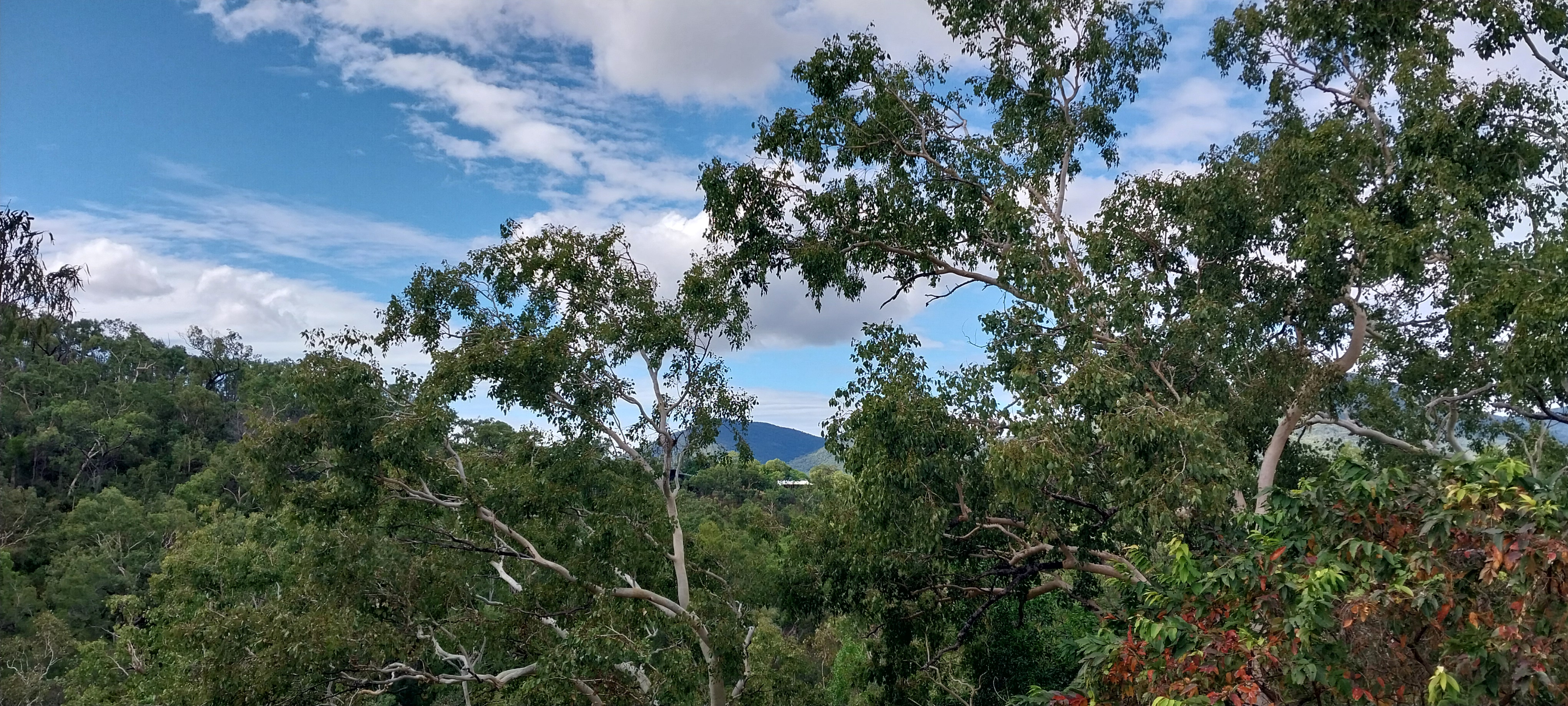
June In The Northern Tropics
Here in the northern tropics of Australia, June heralds the official start of our rather mild wintertime - and what a beautiful time of year it is. Our winter months are typically dominated by glorious weather: crisp, dry air, mostly fine days, and daytime temperatures rarely falling below 21°C or climbing much above 27°C. It's a welcome relief after the intense heat and humidity of summer.The Shift To The Dry Season
We're also firmly stepping into the dry season, which in Townsville usually stretches from May through to October. It's been quite a year so far weather-wise. The wet season at the start of the year was record-breaking, leaving our region with an astonishing 2,532 mm (about 100 inches) of rain by the end of June - already smashing past the average annual rainfall of just 901 mm.
 |
| There is now a noticeable browning off happening in the front yard |
But this month has brought a clear transition: only 25 mm of rain has fallen in June, slightly above the monthly average but a sure sign we've moved into the drier months. Around the garden and in the surrounding bushland, things are drying out fast. Grass cover is browning off, and native trees are starting to drop their leaves in preparation for the leaner months ahead.
Bushfire Season Preparations
With the dry comes another reality of life in the tropics: bushfire season. Our City Council began hazard reduction burns late in May, carefully managing fuel loads to reduce bushfire risk. At home, we've started work on creating a fire break along our bushland fence line - a yearly ritual that's essential for safety.
Garden Watering Routines Begin
While the couple of very light showers this month were welcome, it's clear that moisture has disappeared quickly from the soil. I've already resumed my dry season watering routine, especially for the younger plants that have started to look a little stressed.
Fortunately, the cooler daytime temperatures - sitting comfortably between 24 and 27°C - mean that a good hour of watering every week is enough to revive the garden beds.
The potted plants, however, are another story! The courtyard and shadehouse garden areas will now demand a more intensive watering schedule as the dry season progresses.
Garden Jobs Completed
 |
| Once the driveway had dried out completely, we started filling up some holes with road base |
The gardening workload has eased significantly over the past six weeks, which has been a nice change of pace. One of the biggest tasks we tackled was repairing parts of our entrance driveway. The wet season had left it riddled with erosion, so we spread fresh road base to even out some of the lumpy, bumpy surface leading into our property.
 |
| My shadehouse garden |


Signs Of Winter In The Garden
Along with the change to milder weather, winter reveals itself subtly around the garden. On my wander today, I spotted:

- Lagerstroemia speciosa, commonly known as the Queen Crepe Myrtle: Leaves changing colour
- Lagerstroemia indica, commonly known as Crepe Myrtle: Branches covered in seed pods

- Koelreuteria elegans subsp. formosana, commonly known as the Golden Rain Tree: The three-sided papery capsules are browning off

- Euphorbia leucocephala, commonly known as the Snowflake Bush: In delicate bloom

- Iris domestica / Belamcanda chinensis, commonly known as the Leopard Lily or Blackberry Lily: Seed pods dotting the ends of the stems
Highlights Around The Garden:

- My Aloe vera plants have surprised me by blooming for the very first time - a lovely splash of soft orange among the greens.

- The Jasmine that rambles over one end of our pergola is still flowering, infusing the courtyard garden with its gentle, sweet fragrance both day and night.
.jpg)
 |
| Top left and centre: Pentas Top right: Justicia carnea and Tabernaemontana corymbosa Bottom Row: Plectranthus and Gerbera |
- I'm also thoroughly loving all the splashes of crisp white blooms scattered here and there, adding a fresh brightness to the garden's winter palette.
.jpg) |
| Potted Impatiens in the courtyard garden |
- All of the potted Impatiens have recovered beautifully from their wet season drowning and are now looking healthy and vibrant once more.
 |
| Oriental Lily bulbs pushing through and sweet Viola faces on show |
 |
| A tropical wintertime sunrise |


.jpg)


.jpg)


.jpg)


.jpg)
.jpg)


